
Japan Bond Yields Surge to Multi-Decade Highs, Impacting Global Markets |
Rising Japanese government bond yields threaten global liquidity and cryptocurrency markets |
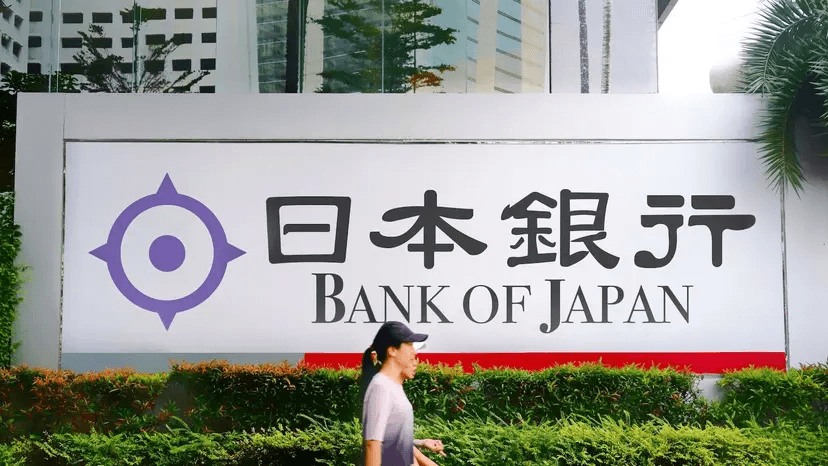
Japanese government bond (JGB) yields have reached levels not seen in decades, signaling a significant shift in the country's monetary landscape.
On January 20, 2026, the yield on 30-year JGBs climbed to 3.88%, while the 10-year yield rose to 2.34%.
These increases reflect growing concerns over Japan's fiscal policies and inflationary pressures.
The surge in yields follows the Bank of Japan's (BOJ) recent rate hike to 0.75% in December 2025, the highest level in 30 years.
Market expectations suggest further increases, potentially reaching 1% by September 2026.
This shift marks a departure from Japan's longstanding ultra-low interest rate environment.
Prime Minister Sanae Takaichi's fiscal expansion plans, including a halt to the consumption tax, have intensified concerns about Japan's debt sustainability.
With a debt-to-GDP ratio of 230%, the highest among major economies, investors are wary of the nation's fiscal health.
Rising JGB yields have significant implications for global markets, particularly the cryptocurrency sector.
Historically, the yen carry trade—borrowing in yen at low interest rates to invest in higher-yielding assets—has provided substantial liquidity to global risk assets, including cryptocurrencies.
As Japanese yields rise, this strategy becomes less attractive, potentially leading to capital repatriation and reduced liquidity in markets like Bitcoin.
In July 2024, following a BOJ rate hike, Bitcoin's price fell from $65,000 to $49,000, triggering $1.14 billion in liquidations.
Currently, Bitcoin is trading around $91,121, down 27% from its October 2025 peak of $126,080, as global liquidity conditions tighten.
Japan's position as the largest foreign holder of U.S. Treasury securities, with holdings of $1.2 trillion, underscores the global impact of its monetary policies.
As Japanese investors find more attractive returns domestically, demand for foreign assets, including cryptocurrencies, may decline.
The BOJ's plan to reduce monthly bond purchases to 3 trillion yen by March 2026 further signals a tightening of global liquidity.
Czhang Lin, head of LBank Labs, noted that the rate normalization is "unwinding the carry trade fuel that's greased global risk assets for years, flipping liquidity from a gush to a grind."
Policy options remain limited; direct yield control could pressure the yen, while further rate hikes risk accelerating capital outflows from cryptocurrencies and other risk markets.
As Japan navigates this new monetary landscape, global investors must brace for potential shifts in capital flows and market dynamics. |
0 Comments
Join the conversation
Be the first to comment
Share your thoughts above.